The Story of Melaka’s Old Bus Terminal

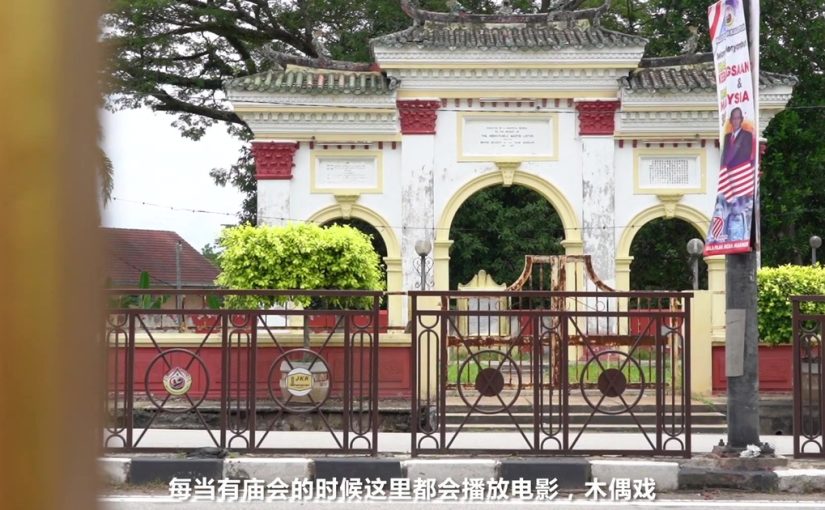
The flowing Malacca river silently bore witness to several revolutions which took place in this historical city. Situated on the left bank of the city riverbend, Jalan Kilang (renamed Jalan Tun Ali) used to be the pulse of Melaka town, its industrial area played a pivotal role in developing the nation’s economy. Built in 1969, Tun Ali Bus Terminal became a landmark. 

The newly-built terminal replaced the former Hentian Bus Terminal located on Jalan Kee Ann; it is also a multifunctional building. Housed above the terminal is a departmental store chain and an international hotel, whereas on the ground floor are up to 72 retail shops. Anything from clothes, bags, jewellery, newspapers, books, magazines, flowers, fruits, and a variety of food are available. 

As a domestic transport hub, there are eight major bus companies at Tun Ali Bus Terminal operating several routes across the surrounding towns. The terminal is within walking distance from historical sites, opposite a large wet market, the shopping complex upstairs a novel feat during the 70s-80s when entertainment was scarce. This new development introduced vitality to the town centre, being crowded from early morning to late night. Be it students or working adults, loitering during their free time, having a gathering, or going on a date, the terminal is always bustling. Buses of varying colours and sizes line up in rows, causing dust and fume particles to fill the air around the station, the sight of busy conductors and rushing pedestrians, all are collective memories of Melaka folk. 

In 2005, the city council issued an order to relocate the terminal 5km northwards to Melaka Sentral Bus Terminal. Tun Ali Bus Terminal ceased to operate, hence business declined due to lesser crowds. Merchants, including the departmental store and hotel, had to move out or close down due to heavy losses. Some years later, the old bus terminal became neglected, its surroundings overgrown with grass and weeds, stagnant water causes mosquito breeding, frequented by drug addicts and prostitutes, a fire outbreak earlier on brought upon more severe devastation. 

Despite the miserable conditions, a few shop owners decided to stay since the rent is low. It is no longer crowded, but retirees like to gather at the open space on the ground floor to chit-chat and pass time, getting along in harmony regardless of racial difference. Regular customers of the three remaining shops are sure to visit, which are a coffee shop, a tailor shop, and a pawnshop. 

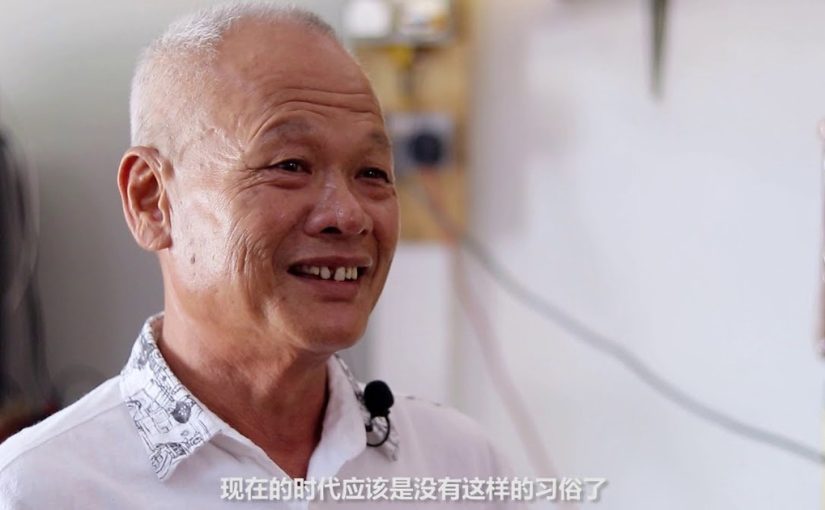
A traditional Hainanese coffee shop, Keng Lim Poh opened its doors concurrently with the old bus terminal. Apart from beverages, they also sell simple meals such as bread, nasi lemak, and economic fried noodles. The second generation owner Lim Sen Jiu took over from his late father 36 years ago, he once had a brief stint at the new bus terminal, however due to lack of customers, he returned to the old site and continued to run the 50-year-old shop. It co-existed with the old bus terminal as the only shop which has not relocated until the end of the chapter. 

Located at the left entrance, City Tailor Shop was established for over 40 years, the septuagenarian tailor Lee Chong Kai moved in from the mens department upstairs into an independent shop. During the glory days, Uncle Lee engaged 5-6 workers, yet he now works alone in his comfortable old age. Last but not least is DJ Pro Enterprise, a pawnshop operated by Uncle Kang Hock Eng, who mainly takes in old gold and pawn tickets. Hailing from Penang, he settled down in this spot due to its being a landmark with ample parking space, 15 years thus passed in a flash. 

At the end of this July, the old bus terminal’s water and electricity supply will be terminated, an ultimatum issued by the landowner under pressure from the city council. The last three shops had to vacate their premises, as the final curtain fell on the old bus terminal. Even though reluctant to leave their familiar workplaces, both the coffee shop and the tailor shop will be permanently closed due to lack of successors, Uncle Lim and Uncle Lee will be retiring whereas Uncle Kang will shift his pawnshop onto a nearby street. The city council will redevelop the old bus terminal along with neighbouring deserted lands, in future they might take on a new look, and continue to flourish in the historical city. 

Text: Daniel Lim & Pua Hui Wen

有你 UNI Production
Producer : Mok Yii Chek
Coordinator : Daniel Lim
Cinematographer : Amelia Lim / Evon Pang
Drone : Daniel Lim
Video Editor : Michael Lerk
Production Assistant : Michael Lerk
Music : An Inspiration Piano / Ambient Inspirational Documentary Piano

COPYRIGHTS 2020 ECHINOIDEA SDN BHD

Buy us coffee

Steamed Rice Cake in Cheras

Bái Táng Gāo (Steamed rice cake), is named for its glittering white appearance, with a moist and smooth surface, and honeycomb-like air tunnels. Its historical roots can be traced from the Ming dynasty in Lunjiao sub district of Shunde city in Guangdong province, also known as Lunjiao cake, a traditional folk snack made from common ingredients. Firstly, rice is pressed into milk, added in flour and sugar, then steamed to be consumed. Steamed rice cake is popular for its velvety texture and sweet fragrance. Due to mass migration to Southeast Asia, steamed rice cake became widespread, and is sold in both morning markets and night markets across Malaysia.

In a home baking workshop at Cheras, 71-year-old Uncle Tan Ah Yew, 43-year-old Tan Lee Yong (Lennon) and family work together busily to produce various cakes for wholesale, including sponge cake, steamed buns, steamed cupcakes, the most renowned being white and brown steamed rice cakes. At 1.30A.M., Uncle Tan delivers cakes produced during the day to the Pudu wholesale market for customers to collect. He then returns home at 5A.M. to prepare ingredients together with his wife, his son takes over the fermentation process while they catch some sleep. As the fermentation completes around noon, father and son dash back and forth the custom-made long steam table, producing trays of cakes despite the lingering heat and vapour. The freshly made cakes require cooling down before slicing and packaging, only then the workday routine ends at 4P.M.

Initially a construction contractor, Uncle Tan’s company went out of business in the mid-80s due to the economic crisis. Despairing, he went to pray at a temple in Ulu Yam, and chanced to encounter an old master whose family business is producing steamed rice cakes, hence he requested to learn the trade. By luck, the old master granted an exception to teach Uncle Tan unreservedly. Steamed rice cakes seem ordinary, yet the procedures involved are complicated, a slight mistake may cause souring, hardening, or turning into a sticky mess. From a layman to mastering the skills of making steamed rice cakes, Uncle Tan devoted an entire year in learning and researching daily, to produce a soft and fluffy end product untainted by sourness. Being the fourth generation successor in the trade, he recovered from financial loss to establish a home baking workshop and paid off debts. Uncle Tan is grateful towards the old master for the favour conferred, always paying him a visit during festivals and giving him tokens of appreciation, until the old master passed away. 

Even though under enormous pressure, Uncle Tan flourished in his second career, his journey over the past few decades has been challenging. Despite slow business during the early stages of his start up, he traveled around to sell his products and expand market reach. Uncle Tan’s cakes are vegetarian-friendly, made without eggs or lard, the soft texture neither hardens nor leaks moisture even after keeping overnight. Therefore he gained reputation and connections, building a stable customer base and order quantity. Most of his customers are school canteen operators, restaurants, and hawkers. During the first day and the 15th day of the lunar month, as well as traditional festivals such as the Hungry Ghosts festival, cakes demand soar due to offering usage. The consumer group of Tan Ah Yew steamed rice cakes range far and wide, from Batu 11 Cheras, Mahkota Cheras, Sungai Long, Kajang, Sungai Chua, Jinjang, to Klang Valley. 

Uncle Tan’s workshop is firmly established, his sons will help out during their free time. His youngest son Lennon used to be a photographer, giving up his ambition due to family sustenance, taking over his father’s business full-time. Although the income from producing cakes would not make him a millionaire, it is enough to make ends meet. Lennon was worried that traditional delicacies may vanish in time, but became assured in carrying on his father’s legacy after meeting other young people in the industry. He aspires to try online marketing and delivery service, so that authentic flavours may still be enjoyed instead of dying out. 

Steamed rice cakes produced with love, wrapped in transparent plastic sheets and old newspapers, deliver traditional flavours. They also contain the Tan family’s hard work and persistent spirit. Even though he has a successor, Uncle Tan has no plans to retire soon, and is still actively involved in cake production. He is still anxious about his inexperienced son whom he deemed unable to work independently, however he praised Lennon’s patience and cherished hopes for business improvement. 

Text: Daniel Lim & Pua Hui Wen

有你 UNI Production
Producer : Mok Yii Chek
Coordinator : Daniel Lim
Cinematographer : Amelia Lim / Evon Pang
Video Editor : Evon Pang
Production Assistant : Michael Lerk
Music : The Romantic

COPYRIGHTS 2020 ECHINOIDEA SDN BHD

Buy us coffee

Sek Yuen Restaurant

The sole remaining traditional Cantonese restaurant in Kuala Lumpur situated on the bustling Jalan Pudu for over 70 years, Sek Yuen, means a suitable gathering place. Both the exterior and interior of the restaurant retain its olden charm, the very same fans, tables, and chairs being in use since commence of business, where the marble tabletops became faded due to frequent scrubbing. In the kitchen stood two woodfire stoves and a wood-fired steamer which is seldom seen, the key in producing traditional flavours. Dishes cooked using woodfire stoves have a special taste, without necessity to be complemented by elaborate plating. Apart from making the mouth water, the rich authentic aromas that fill the restaurant transport people back to the past, glimpsing the way of life since 50 years ago. 

Pudu is situated in the outskirts of Kuala Lumpur City Centre, being one of the early Chinese communal settlements, it was called “half jungle” during the end of the 19th century before being fully developed. The British colonial government built a railway station beside the Pudu fire brigade station, transforming the area into a transport hub connecting Jalan Petaling and Jalan Cheras, causing both population and economic boom within Jalan Pudu. The Pudu Wet Market was the main wholesale market, every day crowds flock in since dawn. Back then when entertainment was scarce, there were three cinemas in Pudu, crowds did not disperse until late night. 

Founders of Sek Yuen Restaurant——the three Phang siblings discovered an excellent business opportunity, starting by selling wanton noodles in a roadside food cart, they slowly saved up to purchase a shop lot. In 1948, a simple hut was built at the current site. The whole family worked together, selling dim sum from 5.30A.M. onwards, then noodles and hot food from 11.30A.M. till late night. At the same time, they hosted banquets and feasts, flourishing with guests each night, thus gaining fame and recognition as one of the four major restaurants in Kuala Lumpur. With increasing numbers of banquets, Sek Yuen once imported containers of alcohol, an impressive feat in former times. Even British colonial government officers frequented Sek Yuen, attracting other renowned guests as well. 

In the mid-1950s, having developed rapidly together with Kuala Lumpur city, Sek Yuen was granted approval for building premises. The occupied spot stood out from the row of shops as an individual building, with pyramidal steps at the entrance, “Sek Yuen Restaurant” painted in red against white walls. Another interesting fact is due to the restaurant being located on an odd-numbered row between lots 313 and 315, its lot number is ingeniously assigned as 313/1. As the restaurant prospered, in 1971 Sek Yuen acquired a double-storey air-conditioned building at the neighbouring lot 315, improving its standards so that customers could enjoy delicious dishes in a comfortable environment. During the new site opening, they introduced their in-house research-and-developed Pipa Duck as a signature dish, a must-have to date. 

Since the founding of Sek Yuen, members of the Phang family have devoted themselves to operating the restaurant, upholding the family business established by their patriarchs. Helping out at the restaurant is a collective memory of the younger generations. Some of them work in the restaurant after completing their studies, Pang Yong Sui and Phang Siew Lake from the second generation lead the kitchen and barbecue stations respectively, dedicating their youth to Sek Yuen. Third-generation person-in-charge Phang Kwai Choong respects the elders’ commitment, as a token of gratitude, he returns to help in managing and handling the family business after some years of venturing out. Sek Yuen is now reined by the fourth generation, apart from about a dozen of family members working full-time in the restaurant, the remaining 60-70 family members lend a helping hand every now and then. During Chinese New Year, even the fifth generation comes to help, the entire family busy in the bustling restaurant. 

Modern dietary trends demand for fast service, sophisticated traditional dishes consumption declines, yet loyal gastronomes are still willing to indulge in authentic Cantonese fare at Sek Yuen. The sustenance of Sek Yuen lies in not only cooperative behaviour among family members, but also the involvement of younger generations who bring upon business model innovation to boost revenue. For instance, due to Covid-19, they launched delivery packages through online platforms, delivering tantalizing food to customers in person. Working hand-in-hand, the Phang family strives to maintain Sek Yuen Restaurant.

Text: Daniel Lim & Pua Hui Wen

有你 UNI Production
Producer : Mok Yii Chek
Coordinator : Daniel Lim
Cinematographer : Amelia Lim / Evon Pang
Drone : Daniel Lim
Video Editor : Amelia Lim
Production Assistant : Michael Lerk
Music : Wonderland

COPYRIGHTS 2020 ECHINOIDEA SDN BHD

Buy us coffee