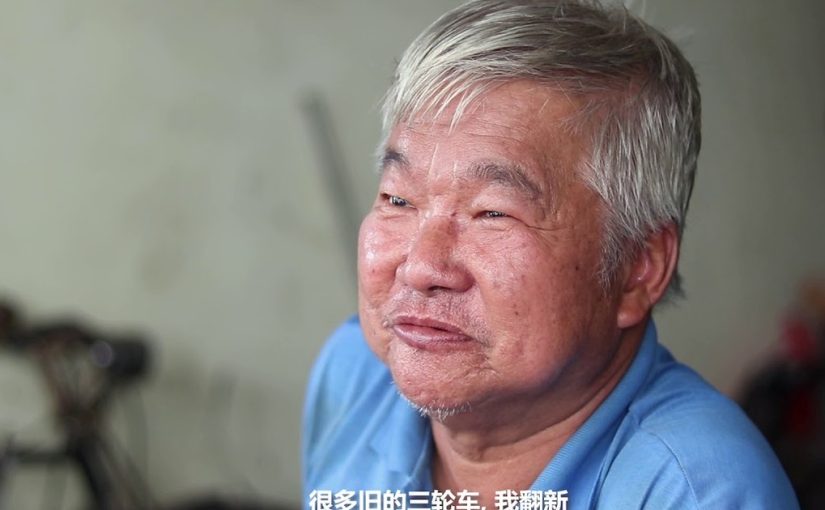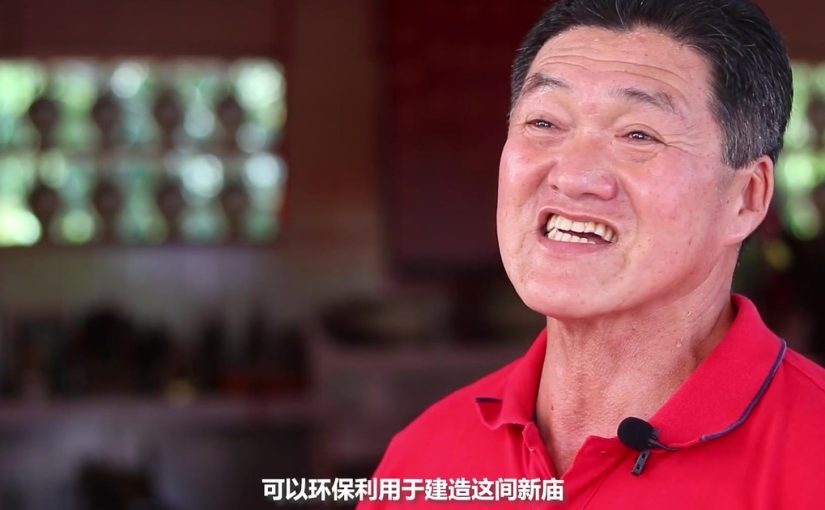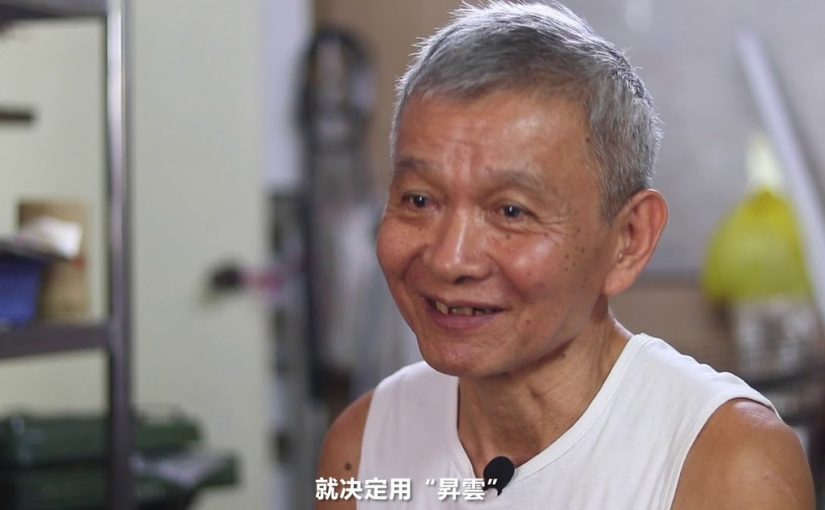
Sri Balathandayuthapani Temple

Upon walking into the old town of Seremban, Negeri Sembilan, stepping into streets cultivated more than a hundred years ago, along Jalan Kapitan Tam Yeong turning right into Jalan Yam Tuan, is the Harmony (Heritage) Trail of Seremban. Assembled on the inverted L-shaped street are an assortment of religious places of worship and provincial halls, converging up to five different religions. A mosque, a Chinese temple, a Catholic church, a Hindu temple, a Sikh temple, and several Chinese provincial halls from different regions, each of them spanning a history of over a century, some of the temples have even been constructed since the founding of Seremban town, remaining at the same address to date, among them is Sri Balathandayuthapani Hindu temple.

Located near the Seremban town council fields, Sri Balathandayuthapani Hindu temple was originally built under a simple zinc roof in the 1870’s. Later in 1891, the development of railway construction from Seremban to Port Dickson was carried out, which marks the third railway in Malaya, mainly for the purpose of connecting mining areas to the harbour to ease transportation of mined tin. At that time, crowds of labourers were brought in from India to work for the Seremban railway construction project, gradually leading to the expansion of Sri Bala Hindu temple, therefore in 1893 the temple was reconstructed with substantial materials such as bricks, concrete, and tiles. It became the place of worship and to perform cultural customs for the fellow Indian countrymen.

Having been through numerous renovations and rebuilds, Sri Bala Hindu temple eventually expanded from a zinc roofed building in its former days to its current magnificent state completed in year 2004, attracting countless devotees to visit during festive celebrations. In accordance to the custom of sacrifice offering ceremony (kumbhabhishekam) held every twelve years, the temple initiated a repainting project in recent years to paint the temple in gorgeous colours. A consecration ceremony was held in 7th April this year, involving 37 priests from all over Malaysia and even India, with more than 8000 devotees joining in, a spectacular scene to behold.

Text: Daniel Lim & Pua Hui Wen

有你 UNI Production
Producer : Mok Yii Chek
Coordinator : Daniel Lim
Cinematographer : Amelia Lim / Evon Pang
Drone : Daniel Lim
Video Editor : Michael Lerk
Production Assistant : Michael Lerk
Music : Mother Nature from Youtube

COPYRIGHTS 2019 ECHINOIDEA SDN BHD

Buy us coffee

Teck Lee Book Co

The role a bookstore plays in a region is not limited to selling all sorts of publications and stationery, it also bears the importance of cultural exchange and knowledge circulation. In an era without the internet, the traditional bookstore satisfies scholars craving for knowledge, as well as nourishes the souls of the general public. Moreover, daily newspapers became spiritual nourishment for fellow hometowners who earlier on migrated southwards to Malaysia from China to seek a living. Teck Lee Book Co located in Jalan Kong Sang, Seremban, has been playing this role for over a century, accompanying many students and members of the general public along numerous bustling years and over apocalyptic eras, being a collective memory of Seremban and neighbourhoods in the region.

Established in 1918 by the founder Mr Ng Mow Teck (transliteration) and his wife at River Road (now Jalan Kong Sang) in Seremban, Teck Lee Book Co originated from a small roadside stall. In the early days of the business, they sold cigarettes, iced drinks, stationery, and distributed Chinese newspapers published in Hong Kong and Kuala Lumpur, so that fellow hometowners who came to seek a living from China could grasp the situation and development back in their homeland. Eventually, the basic operations of the bookstore gained stability, expanding in 1934 and shifted to the current address, starting to operate as a store in the publishing industry, remaining standing till the present, never once moved.

Mr Ng Kok Fook is the third generation owner of Teck Lee Book Co, as well as a collector. Arranged in neat arrays are boxes full of publications, magazines, and his personal collection of books. Among them are some student publications published in the 50’s, magazines and 《Students’ Vocabulary》 directly imported from Hong Kong in the olden days, etc. Each publication is likened to history, recording the happenings in its time, a witness of different ages.

Text: Daniel Lim & Pua Hui Wen

有你 UNI Production
Producer : Mok Yii Chek
Coordinator : Daniel Lim
Cinematographer : Amelia Lim / Evon Pang
Video Editor : Amelia Lim
Production Assistant : Michael Lerk
Music : Heavenly from Felt Music

COPYRIGHTS 2019 ECHINOIDEA SDN BHD

Buy us coffee

The Story of Kampung Baru Rasa

Kampung Baru Rasa is located 50 kilometres away from Kuala Lumpur, right in the middle section of Hulu Selangor district, and is a small town with over 120 years in history. In the late 19th century, due to the rich tin mine deposits underneath the land of Rasa, several tin mining entrepreneurs were attracted to the small town to operate the lucrative industry, such as the renowned industrialist Loke Yew and tin mining tycoon Tan Boon Chia who made a fortune here. In the heydays there were up to twenty-odd open air tin mines and five tin dredge ships, bringing upon a bustling town with a sharp population increase, where in the early 20th century the population in Rasa is censused at twenty thousand, just a slight difference in comparison to Kuala Lumpur which houses around thirty thousand people back then.

Tin mining is the main economic lifeline of Rasa, a significant contribution to the nation’s economy, as well as relating to the rise and decline of the town. During the Second World War, all business activity in Rasa was censured and forced to cease operations, the economy stopped from then onwards. Rasa inhabitants suffered severely over the Japanese occupation for 3 years and 8 months, then the British colonial government declared a national state of emergency throughout Malaya and formed new villages, in the meantime carrying out guerrilla warfare against the Malayan Communist Party for 12 years. Afterwards, the development of Rasa slackened, and the population declined, as most of them sought employment opportunities elsewhere.

With the passage of time, the hustle and bustle of former days fall back into peace and quiet. The elder generation, who lived locally for most of their lives, are used to the serenity and amicable daily routine. There are also some members of the younger generation who chose to return to the village, for instance the third generation owner of “Fong Kee Wantan Mee” Mr Lim Zhi Sheng (transliteration), operating the authentic cuisine stall, persisting in producing homemade noodles. Lingering on the streets of Rasa is peace that comes after a time of flourish, as well as rich warmth.

Text: Daniel Lim & Pua Hui Wen

有你 UNI Production
Producer : Mok Yii Chek
Coordinator : Daniel Lim
Cinematographer : Amelia Lim / Evon Pang
Drone : Daniel Lim
Video Editor : Evon Pang
Production Assistant : Michael Lerk
Music : Calm & Inspirational – Ashmaluev from Youtube

COPYRIGHTS 2019 ECHINOIDEA SDN BHD

Buy us coffee