Glutinous Rice Cakes

Glutinous rice, sugar, bamboo tubes, banana leaves, firewood, rack stove, big pot, and a small knife to be hung on the pot’s lid, combined with a marathon-like 24-hour non-stop steaming and stirring. The glutinous rice liquid caramelise from white to to golden in colour, and thicken into a paste; the craft passed on from elders to youngsters, cultural customs and traditions being inherited from one generation to another, all of that happens at the conventional Hakka Chinese New Year rice cake making project in the village of Kuala Kubu Bharu.

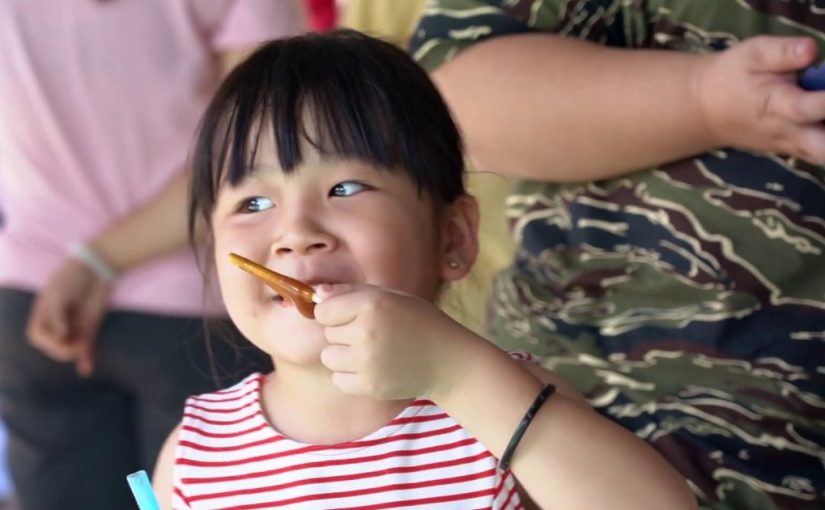
The project is actively joined by villagers of all ages, cooperating with each other, following the traditional ways of making rice cake, and also sustaining the cultural rituals. The elders teach devotedly, and the youngsters learn modestly. In the process, the two generations get to interact with each other, which is a seldom occasion. The round (cylindrical) shape of the rice cake symbolises reunion, whereas the sweet and sticky mouthfeel of the rice cake is likened to expectations of the upcoming year: living a sweet life for the entire year, and a firm relationship between the family members.

Even though the process of making the traditional steamed rice cake is complicated, the younger generation never cease to explore and learn under the guidance of the elders, until they master the skills to make rice cakes independently. It is indeed an excellent opportunity, especially for those who regularly work outstation, to gather with their family and friends, and make rice cakes together.

The procedures of making rice cakes require 24 hours of continual commitment, from lifting the pot lid to stir to ensure even heating of the glutinous rice liquid, the youngsters also need to stay up throughout the night to take care of the stove, battling high heat and fatigue, until the next day when the mass is transferred to their bamboo tube containers lined with banana leaves. Preparation of the equipment and ingredients started a week beforehand. From washing, soaking, press dry, and compressing the glutinous rice, to collecting and processing bamboo tubes and banana leaves. Interestingly, the firewood used in making rice cakes were either blown down by wind or abandoned. After collecting, the wood is stored in a shed to ensure dryness.

The rice caking making project of Kuala Kubu Bharu is not practised for decades, but rather an accidental success in 2014 that engaged villagers of all ages to participate in the event. The scene where both old and young generations join forces to make rice cakes illustrates the fine culture legacy, embracing their heritage.

Text: Daniel Lim & Pua Hui Wen

有你 UNI Production
Producer : Mok Yii Chek
Coordinator : Daniel Lim
Cinematographer : Amelia Lim / Evon Pang
Video Editor : Amelia Lim
Production Assistant : Michael Lerk
Music : Lovely Candies from Felt Music

COPYRIGHTS 2019 ECHINOIDEA SDN BHD

☕ Buy Us Coffee

Teng Wun Bakery & Confectionery

The outmoded layout of the shop, with classical glass displays on either side, coral colours contrasting the white walls, highlighting the shop’s vintage appearance. Apart from two coral red shutters, there were no conventional doors, exposing full view of the shop’s unsophiscated style. Freshly out of the oven, the kaya puffs emit wafts of aroma. For donkey’s years, relentlessly making fresh kaya puffs in-house from scratch on a daily basis, with no additional preservatives, this is what makes Teng Wun Bakery and Confectionery popular with locals and a must-try for tourists.

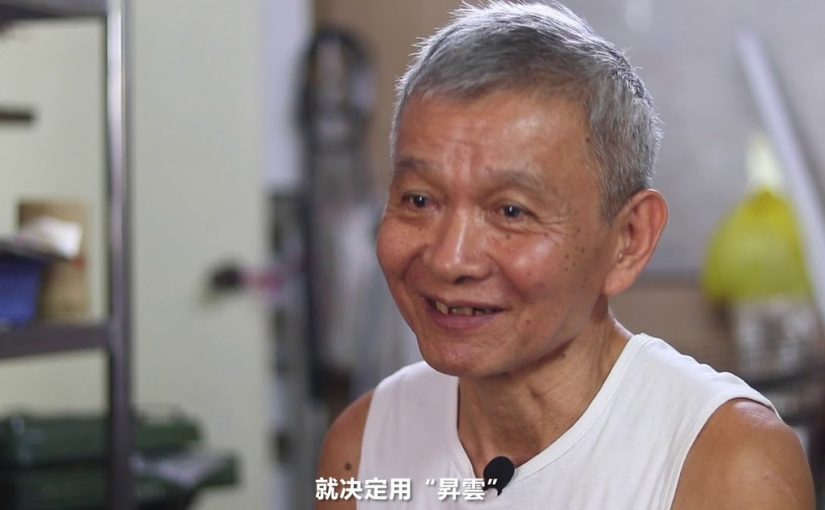
Forty years ago (in 1979), Hoo Jee Suan and his wife leased the shop lot and partitioned the shop front into two: on the right is a female salon managed by Mrs Hoo, whereas on the left Mr Hoo bakes pastries and cakes to sell. Husband and wife worked hard together to make a living, as life is not easy back then. In the early days of the startup, he only baked cakes and bread. The favourable kaya puffs was afterwards learned from his father-in-law who runs a Hainanese coffee shop, as a result of several improvisations, the current version of crispy and fragrant kaya puff was introduced.

In the small town of Kuala Kubu Bharu where Hakkanese made up the majority, Mr Hoo was a true-bred Hainanese who migrated southwards to Malaya when he was 12 years old, and adopted his foster family’s surname “Hoo” instead of his birth family name “Yun”. Mr Hoo was born in Kuala Selangor, but spent most of his childhood years in Hainan, China. When the liberation war broke out on Hainan Island, civilants fell into poverty, rice and cassava were their only food. As the health of Mr Hoo’s birth parents deteriorated, they entrusted his elder sister who got married in Malaysia to bring him out of Hainan Island. That was in the second year of Malaysia’s gaining independence.

Under his sister’s arrangements, Mr Hoo embarked on a vessel setting sail to Malaysia. It was perilous to travel by sea in those days, as it took about one week to disembark at Singapore, and continue the journey northwards to Kuala Kubu Bharu. Having endured hardships, he understood that survival is undoubtedly difficult, the only way to face the ups and downs of life is by being practical and self-sufficient.

The meaning behind the brand “the rising sun a scarlet spot among the clouds” not only illustrates the beauty of dawn, it also aptly describes Mr Hoo and his past 73 years.

Text: Daniel Lim & Pua Hui Wen

有你 UNI Production
Producer : Mok Yii Chek
Coordinator : Daniel Lim
Cinematographer : Amelia Lim / Evon Pang
Video Editor : Evon Pang
Production Assistant : Michael Lerk
Music : Tenderness from Bensound

COPYRIGHTS 2019 ECHINOIDEA SDN BHD

☕ Buy Us Coffee

Belacan in Bagan Parit Baru

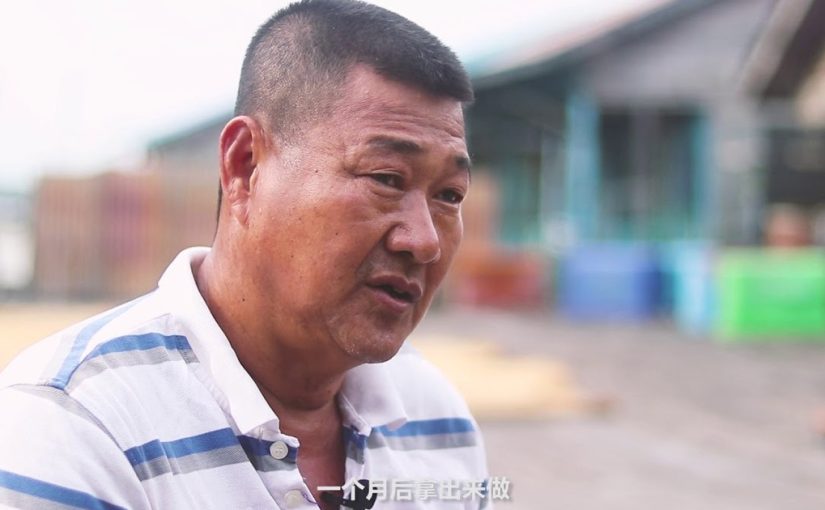
Wafts of salty prawn odour are sent along with the ocean breeze. On the wooden platform just in front of the house, plain brown belacan are spread out neatly to be sun dried, some already pressed into bricks, some minced and unprocessed. This family-run belacan factory is operated by the second generation successor, Mr Kee Bok Wah (transliteration) and his family, being one out of the two belacan factories in Bagan Parit Baru which is sparsely populated by only 300 people.

Similar to other fishing villages, Mr Kee’s house is built along the estuary, the river flowing towards the sea, easing the passage of small fishing boats. Building a wooden platform as well as a small harbour in front of the house is convenient for their own fishing boat to unload fresh fish and prawns, also enabling immediate sorting and handling. At the same time, Mr Kee built a small scale factory opposite his house with a larger surface area, mainly for marinating and fermenting procedures. 

Belacan is made up of small prawns (Acete Chinensis) and salt, after mixing, marination, and sun drying, belacan is loaded into casks for a month-long fermentation to absorb flavours. Afterwards, processing is carried out according to different demands, and frequent sun drying, then only packaged. The entire process takes months, having complicated procedures, the quality and quantity easily affected by factors such as weather, season, saltiness of the water etc.

Even though manufacturing belacan may be a tough task, the Kee family continue to use the traditional way of manufacturing. Under the cooperation of the whole family, Mr Kee’s children also adhere to their duties, inheriting the family business, maintaining the legacy. 

Text: Daniel Lim & Pua Hui Wen

有你 UNI Production
Producer : Mok Yii Chek
Coordinator : Daniel Lim
Cinematographer : Amelia Lim / Evon Pang
Drone : Daniel Lim
Video Editor : Amelia Lim
Production Assistant : Michael Lerk
Music : Cliffsides

COPYRIGHTS 2019 ECHINOIDEA SDN BHD

☕ Buy Us Coffee